

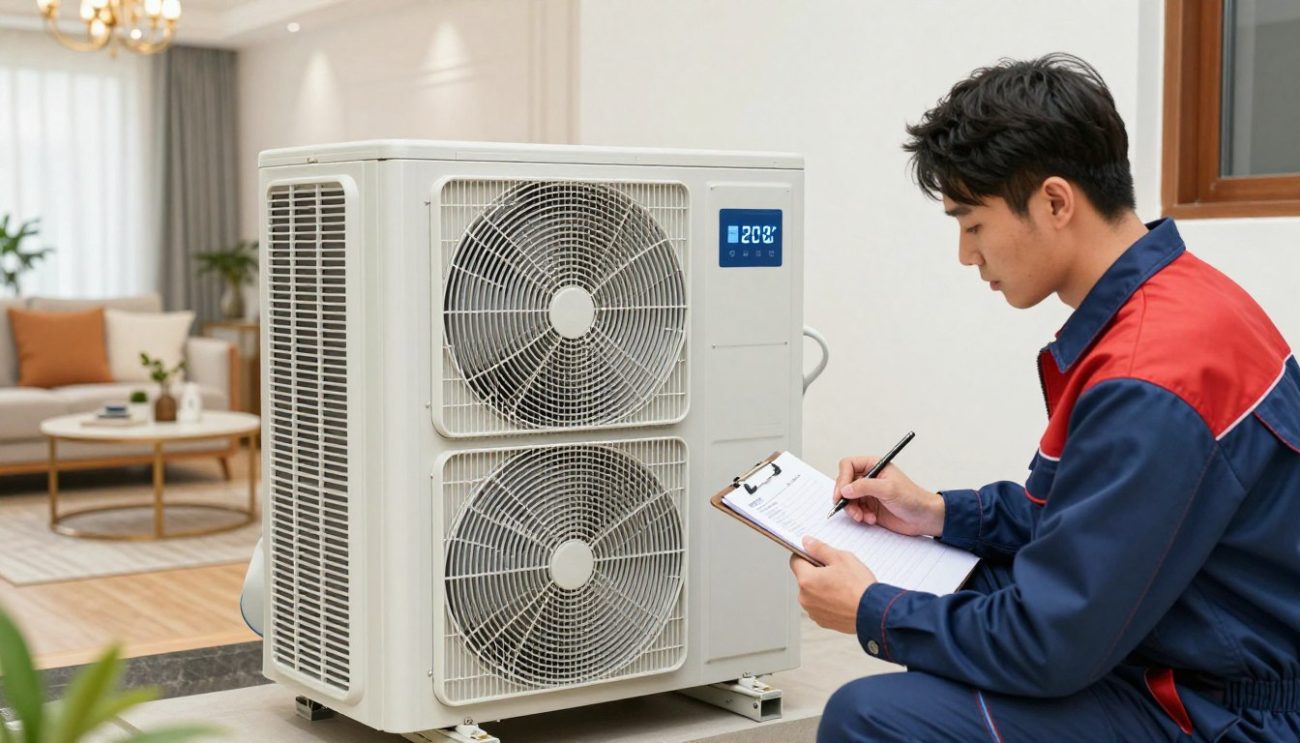
Did you know that nearly half of the average American household’s energy budget goes toward heating and cooling? When your system fails, it can feel like a huge financial burden. Knowing the HVAC replacement cost is key to regaining control over your home’s comfort.
This guide offers a detailed look at the financial side for homeowners in the U.S. this year. We help you understand the complex pricing of modern climate systems. This way, you can make a smart, informed choice. Proper planning helps you avoid surprises during installation.
Breaking down these costs helps you prepare your budget for the future. Knowing the typical hvac replacement cost lets you pick a reliable unit that meets your needs. Let’s see how you can get a more efficient and comfortable indoor climate today.
Key Takeaways
- Heating and cooling account for nearly 50% of typical home energy expenses.
- Researching current market prices helps you avoid overpaying for new equipment.
- Budgeting early prevents financial stress when your system reaches its end.
- Energy-efficient models often provide long-term savings despite higher initial prices.
- Professional installation is vital for maintaining system longevity and performance.
Understanding the average HVAC replacement cost
Knowing how much a new climate control system costs is wise. Learning about current prices helps you choose wisely. This way, you can find a balance between comfort and your budget.
National price benchmarks for 2024
In the United States, the average hvac replacement cost is between $5,000 and $12,000. This range varies because every home is different. Larger homes need more powerful systems, which raises the air conditioning replacement pricing.
Think of these prices as a starting point, not a fixed cost. The complexity of your ductwork and the equipment brand also affect the price. Knowing this helps you understand the real cost of a new system.

What is typically included in your quote
A contractor’s proposal should clearly list what’s included. A good hvac cost estimate covers the new equipment, installation labor, and permit fees. This way, you know exactly what you’re paying for.
Make sure to ask your technician about what’s in the final air conditioning replacement pricing. Clear communication is key. It helps you compare prices fairly and find a good deal for your home.
Key factors influencing your heating and cooling replacement expenses
Knowing what affects your hvac replacement cost helps you prepare for your project. It’s not about finding a single price. Your final cost will depend on your home’s unique features and the system you choose.
The impact of home square footage and ductwork condition
Your home’s size is key in determining the unit you need. A bigger home means a more powerful system, which can raise the average hvac replacement cost.
The condition of your ductwork is also important. Leaky, small, or poorly insulated ducts might need fixing or replacing. This ensures your new system works well.
Energy efficiency ratings and SEER2 requirements
Today’s systems are rated by SEER2, showing how well they use electricity. Even though high-efficiency units cost more upfront, they save you money on bills over time.
“Investing in a higher efficiency rating is not just about the environment; it is a strategic financial decision that pays dividends through reduced energy consumption for years to come.”
Geographic location and local labor rates
Your location greatly affects your heating and cooling replacement expenses. Labor costs vary by state and even city, due to living costs and technician demand.
When comparing hvac installation costs, make sure quotes include local fees and disposal costs. These can add up fast, depending on your area.
Complexity of the installation process
The ease of accessing your unit affects labor costs. Hard-to-reach spots, like cramped attics, require more time and effort. Technicians must safely remove old units and install new ones.
To get accurate residential hvac price quotes, share clear photos of your setup. This helps contractors estimate the job’s complexity before they start.
| Factor | Impact on Price | Primary Consideration |
|---|---|---|
| Home Size | High | System Capacity (BTUs) |
| Ductwork | Medium | Repair vs. Replacement |
| Efficiency | High | SEER2 Rating |
| Labor | Medium | Regional Rates |
Top HVAC system types and their price ranges
When you start to compare hvac installation costs, you’ll see different technologies offer unique benefits. Getting an accurate hvac cost estimate depends on the equipment you choose. Each system meets different needs, from traditional to modern, energy-efficient options.
Central air conditioning and furnace split systems
The most common choice in the United States is the traditional split system. It pairs an outdoor condenser with an indoor furnace or air handler. This setup is reliable and proven, providing consistent climate control throughout your home.
When looking at air conditioning replacement pricing, remember these systems are often the most cost-effective. They’re great if your home already has ductwork, balancing performance and initial investment.
High-efficiency heat pump installations
Heat pumps are popular because they provide both heating and cooling in one unit. They move heat instead of generating it, saving a lot of energy over time. Many homeowners ask for residential hvac price quotes for heat pumps to get federal tax credits and local rebates.
Though the upfront cost is higher than a standard furnace, the long-term savings are significant. They’re a good choice for areas with moderate winters.
Ductless mini-split systems for targeted comfort
If your home lacks ductwork or has rooms that are always too hot or cold, ductless mini-splits are perfect. These systems offer zoned temperature control, heating or cooling only the rooms you use.
Installation is less invasive than traditional systems, needing only a small hole in the wall. This makes them a highly flexible option for home additions or older properties.
Packaged units for space-constrained homes
Packaged units have all components in one cabinet. They’re installed on a roof or a concrete slab next to the home. They’re ideal for smaller homes or buildings where indoor space is limited.
| System Type | Typical Price Range | Best For |
|---|---|---|
| Split System | $5,000 – $12,000 | Standard homes |
| Heat Pump | $6,000 – $15,000 | Energy efficiency |
| Ductless Mini-Split | $3,000 – $8,000 | Zoned comfort |
| Packaged Unit | $4,500 – $10,000 | Limited space |
Understanding these categories makes managing your hvac unit replacement expenses easier. Choosing the right technology ensures long-term comfort and efficiency for your home. Always consult a professional to find the best system for your property.
Conclusion
Understanding the cost of home comfort is key. It’s about balancing the initial cost with long-term savings. This approach helps manage your heating and cooling expenses well.
Get quotes from trusted contractors like Carrier or Trane. This way, you can find a good deal that fits your home’s needs. Quality shouldn’t be compromised for affordability.
Professional installation is vital. It ensures your system works well for years. Watching your expenses helps you make smart choices for your budget.
Look for local rebates and tax incentives. They can reduce your upgrade costs. Begin your project now for a more efficient and cozy home all year.
